
Hoisin vs Oyster Sauce: Difference & Substitutes. The similarities and differences in appearance, texture and origin of the 2 Chinese sauces, as well as tips on how to use them in Chinese cooking or as substitutes for each other. (I grew up using both sauces!)
Jump to:
Like light soy sauce, rice wine vinegar and Shaoxing wine, both Hoisin Sauce and Oyster Sauce are sauces commonly used in Asian cuisine, particularly Cantonese food.
From China, they've also spread to other Asian countries, so you will taste them in Singaporean food, Thai food, Vietnamese food, Filipino food etc. Oyster sauce, for example, is used to cook Thai fried rice and Drunken Noodles.
In addition, both are dark brown Chinese sauces, with a savory flavor and names related to seafood.
If you can only get 1, I recommend Oyster Sauce. It's more versatile and more common in Asian cuisine. (However, American Chinese cuisine tends to use Hoisin Sauce more liberally.) I use both in my Chinese chicken skewers recipe and my Hoisin Chicken Thighs!
So what's the difference between the 2?
Ingredients
Firstly, the two have different ingredients.
Although the ingredients used will vary depending on the brand, generally:
- Hoisin does not contain any animal products or seafood whilst Oyster sauce does ("Hoisin" 海鲜 means seafood in Cantonese, but there is no seafood in the sauce, neither is it usually eaten with seafood.)
- Hoisin Sauce is usally vegetarian whilst Oyster sauce is not (It contains oyster extract- you can find vegetarian Oyster Sauce made from mushrooms.)
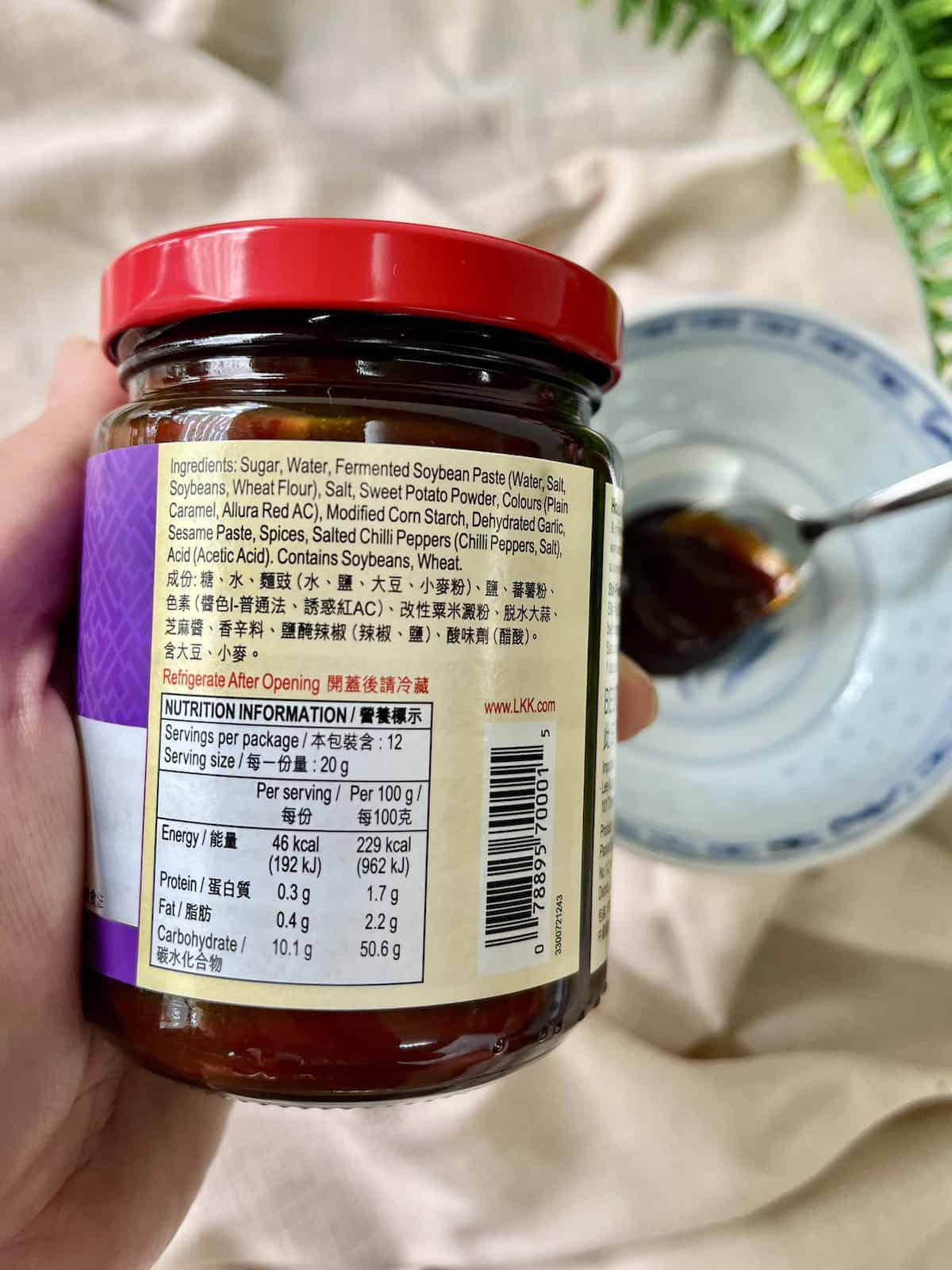
- Hoisin Sauce contains soy whilst Oyster Sauce typically does not (However, oyster sauce, such as the one by Lee Kum Kee, may still contain wheat flour and thus both sauces may not be suitable for celiacs on gluten-free diets.)
- Both may or may not contain MSG and thickeners such as wheat.
For a more in-depth overview of the ingredients in each, read on!
Vegetarians have to use Hoisin Sauce or Vegetarian Oyster Sauce.
Hoisin
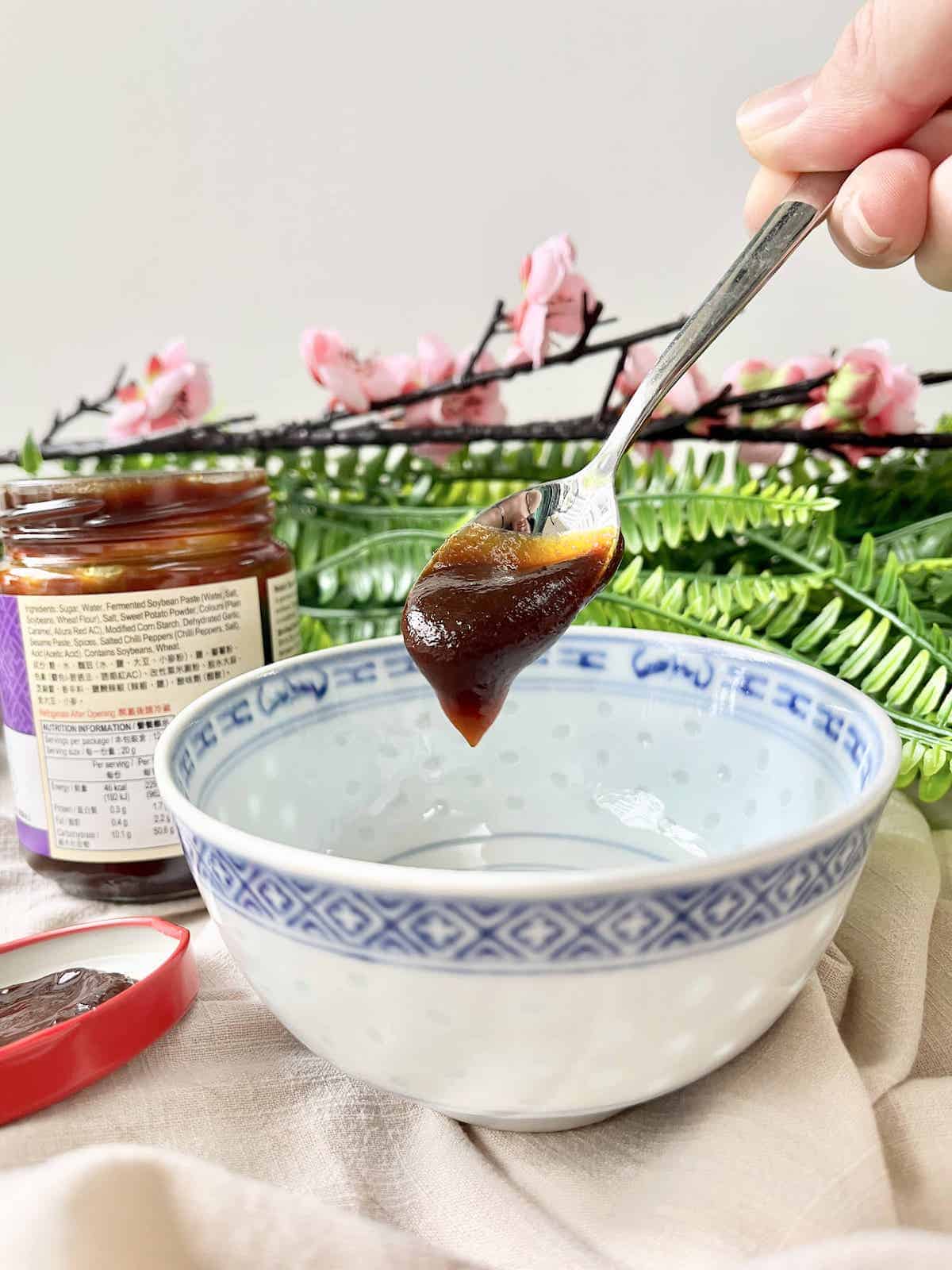
Hoisin sauce is a sauce with a thick consistency and unique flavor. It is made from a combination of the following ingredients:
- a base of ground, fermented soybeans
- wheat flour paste
- vinegar
- oil
- spices such as fennel, 5-spice powder and garlic (This will vary depending on the region in China the Hoisin sauce is from.)
- sesame seeds (optional)
- salt
- sweeteners
- red chilies
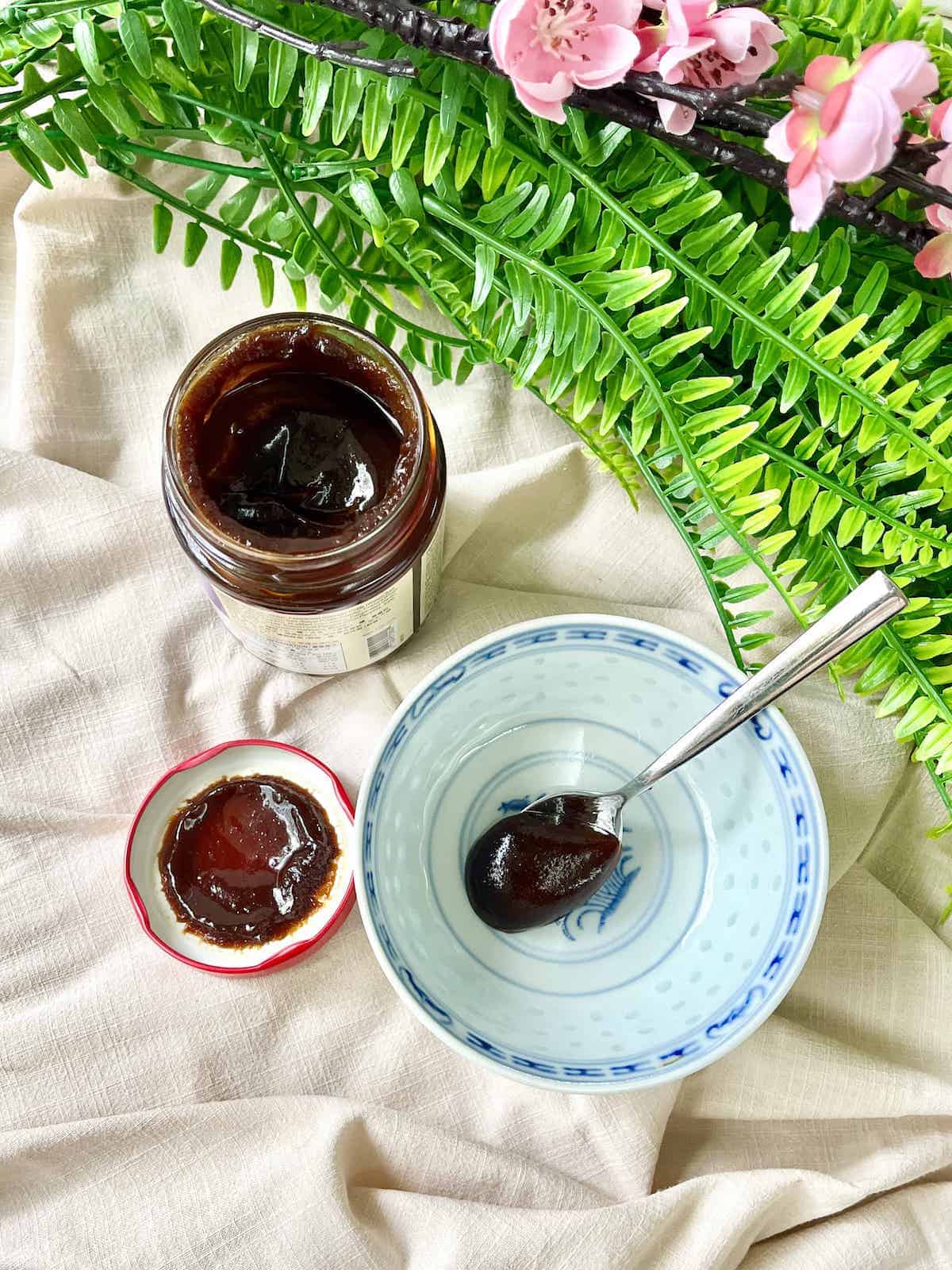
The fermentation process gives Hoisin Sauce its distinct umami taste, while the other ingredients create a sweet and salty flavor. Unlike Oyster Sauce, the umaminess of Hoisin doesn't have the brininess of the sea.
The wheat paste, or other thickener, gives it a thicker consistency.
Oyster
On the other hand, oyster sauce derives its main flavor from its key ingredient: oysters.
Today, oyster sauce is made by reducing oyster extract (to save money) and other ingredients, such as soy sauce, sugar, and cornstarch, added to enhance the flavor and consistency of the sauce. To make up for the lesser amount of oysters, MSG is usually used to improve the flavor.
The exact ingredients would vary from brand to brand. There are also different grades of oyster sauce. The more premium ones would contain more oyster extract.
Different Taste
Both are savory, umamiicious, sweet and salty sauces.
However, Oyster Sauce has a slight, but not offensive, smell and taste of the sea and Hoisin Sauce is much sweeter. The latter also has a slight tang and is also a little thicker than the first.
Similar to fish sauce, oyster sauce has a deep but pure flavor. Hoisin sauce, on the other hand, tastes more complicated, as it has more ingredients and spices.
As you can see from the Lee Kum Kee Hoisin Sauce, the primary ingredient is Sugar, so it's MUCH sweeter than Oyster Sauce.
As Substitutes
These 2 sauces are often said to be the best substitutes for each other.
I'll be honest.
A real Chinese chef would never use these 2 sauces as substitute for each other. The taste will never be quite the same (and the chef would have both sauces in his or her pantry!)
However, you can use 1 to replace the other in a recipe, and still create a delicious dish. It will just taste different from the original (and also maybe not like "authentic" Chinese food.)
- When using Hoisin Sauce as an Oyster Sauce substitute, you will need to temper the sweetness by mixing it with something savory, such as fish sauce or soy sauce. (You can use a 4:1 or 5:1 ratio.)
- In contrast, when using Oyster sauce to replace Hoisin Sauce, you will need to add white sugar, Chinese spices and chili to mimic Hoisin's sweetness and slight spice. I also suggest reducing the amount used by about 25% because Oyster is saltier.
A better substitute for Hoisin Sauce would be to mix a fermented soybean paste (e.g. taucheo or Miso paste), rice vinegar (for the tangy flavor- you can also use Worcestershire sauce), 5-spice powder, sugar, chilies and minced garlic. (You can also thicken garlic teriyaki sauce by simmering with cornstarch then mixing with chili and 5-spice powder.) For Oyster Sauce Substitutes, click here.
Other Differences
Origin
Not much is known about the origin of Hoisin sauce, although it is commonly associated with Cantonese cuisine.
Oyster sauce, on the other hand, is a syrupy brown sauce that was discovered by accident in the 1880s in Guangzhou. Lee Kum Sheung forgot about the oysters he was simmering on the stove and the result was a thick, rich sauce with a unique umami taste. Voila, osyter sauce!
From Guangzhou, oyster sauce spread to other parts of China and Asia.
The usage of Oyster sauce is a bit more widespread in Asia than Hoisin Sauce. For example, Oyster Sauce is used in modern Filipino food but Hoisin Sauce is not.
Appearance
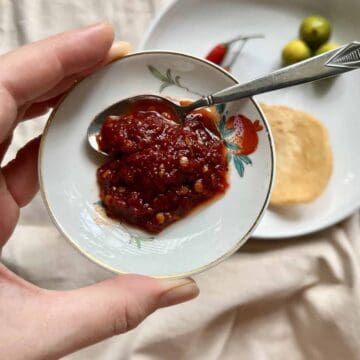
Both are thick, dark brown Chinese sauces. The shade of brown is different with Hoisin having reddish undertones and a thicker consistency.
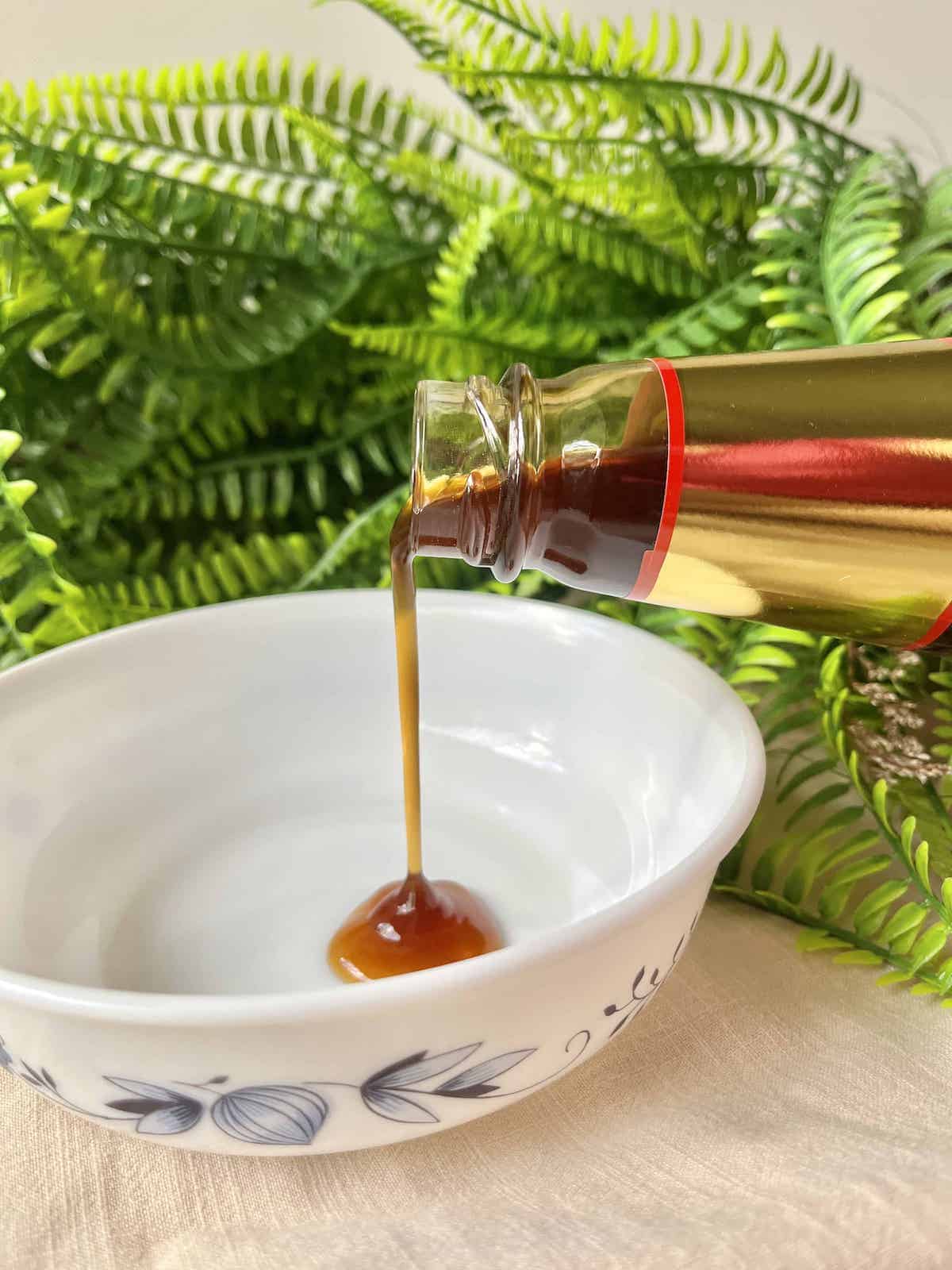
Oyster Sauce usually comes in a tall glass bottle, whilst Hoisin Sauce Usually Comes in a glass jar.
Where to Buy & Brands
You can get both sauces at the international aisle of your regualr supermarket, at the Asian grocery store or online.
The most popular Oyster Sauce brand is Lee Kum Kee, since the company invented it! (Lee Kum Kee Hoisin Sauce is also very popular, and 1 of the more readily available brands in the West, for Hoisin.)
Storage
Unopened bottles of both can be stored in the pantry and will last for a few years.
Once opened, I always refrigerate Hoisin Sauce.
You have a bit more leeway with Oyster sauce. When I was younger, we did not refrigerate Oyster Sauce. However, I once found mold in a recently opened bottle so, after that, I have always stored my opened Oyster Sauce in the fridge
(Obviously, refrigerating extends the shelf life.)
How to Use
Generally, use Hoisin Sauce when you want more of a sweet flavor or some caramelization in your Asian dishes. Use Oyster Sauce when you want umami with a tinge of brininess and saltiness.
Hoisin Sauce
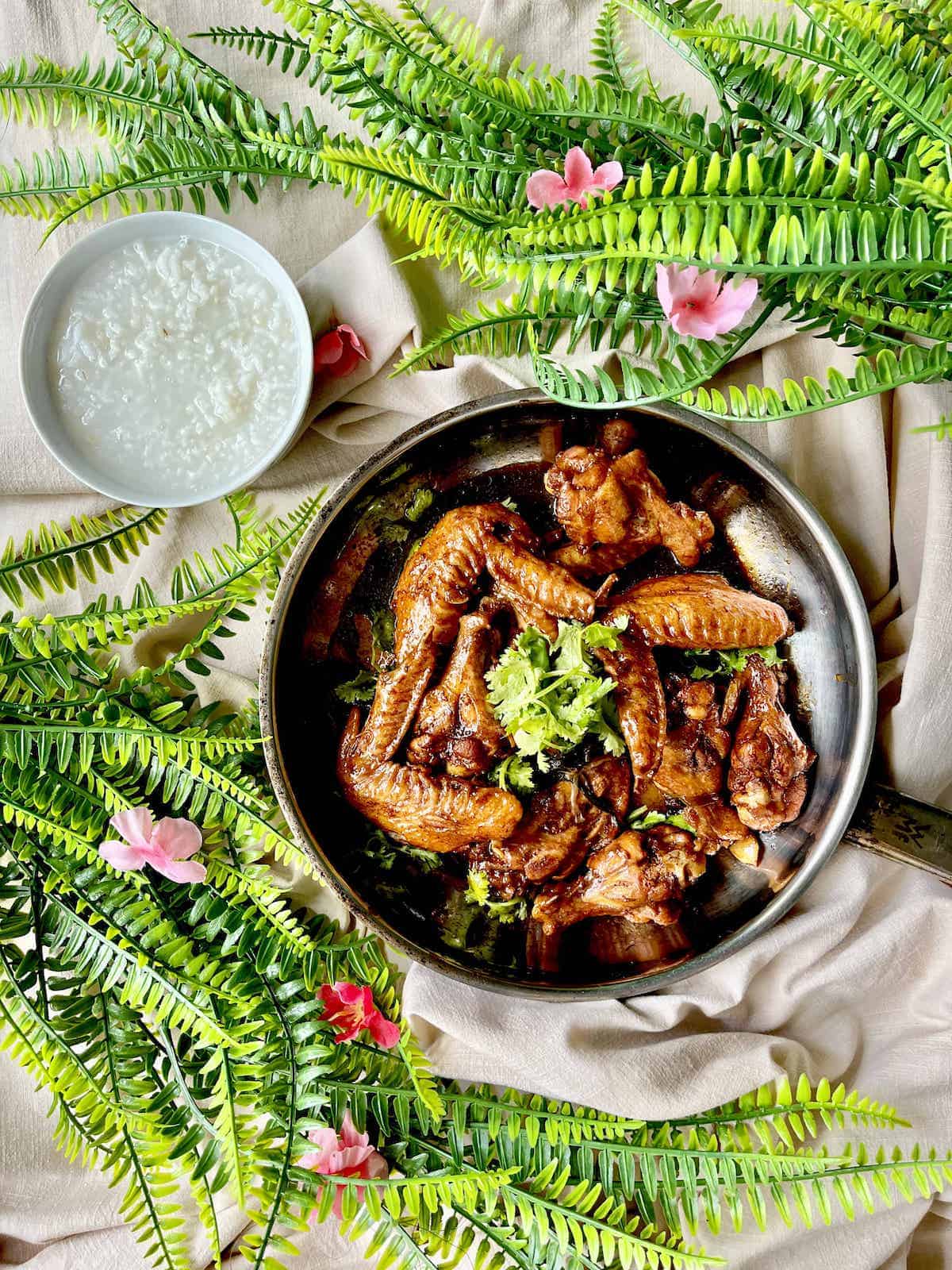
Hoisin is commonly used in Chinese dishes, such as:
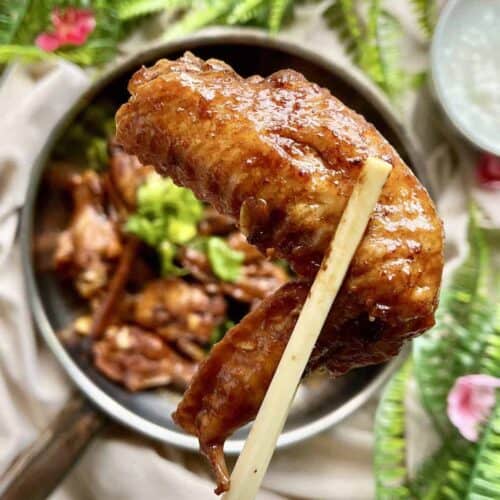
- glazing meat (Hoisin is also known as Chinese Barbercue Sauce!)
- stir-fries
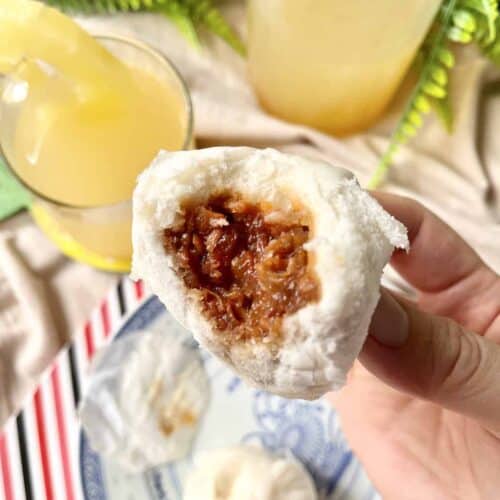
- meat marinades, such as Char Siu
- as a dipping sauce. In traditional Chinese cuisine, it's use as a dip for steamed or fried riec rolls (chángfěn 肠粉.) In American Chinese cuisine, it is used as a dipping sauce for for dumplings, Moo Shu Pork, lettuce wraps and Peking Duck.
Apart from Chinese dishes, hoisin sauce (or tương đen in Vientamese) is also very common in other Asian cuisines, such as Thai food and Vietnamese recipes:
- as a dip for the meat in phở, Vietnamese noodle soup
- it can also be added to the phở soup
- as a dip for Vietnamese spring rolls gỏi cuốn

Oyster Sauce
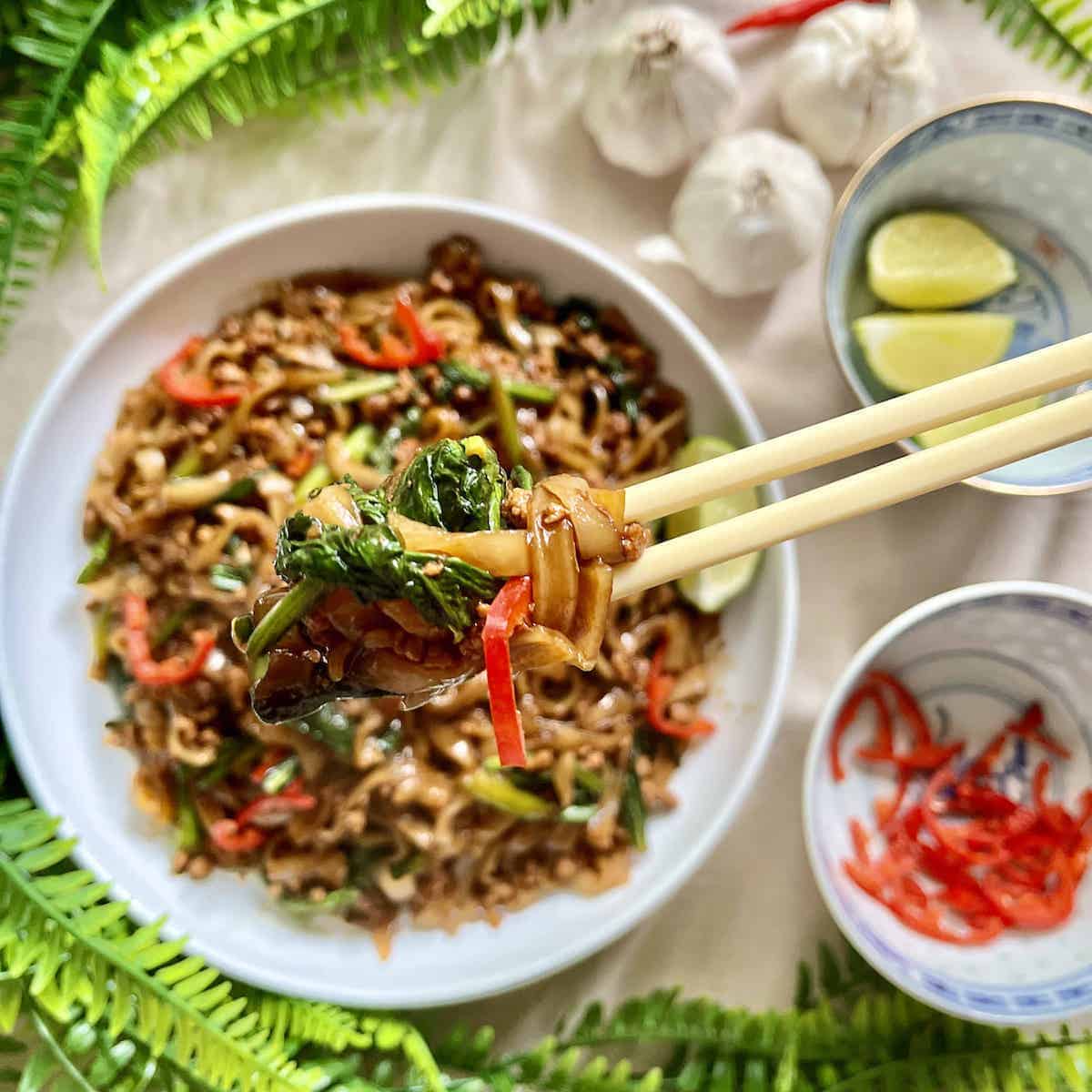
Oyster Sauce is also a staple in many Chinese and Asian recipes. I would say that it's even more commonly used than Hoisin!
It is not usually used on its own, but mixed with other Chinese condiments such as light soy sauce, garlic, ginger, sesame oil and Shaoxing wine. Besides its flavor, it is also used in Chinese cooking to add a glossiness to food, such as in Chinese Braised Eggplants.
You can use it in:
- stir-fries e.g. Thai Drunken Noodles or chow mein
- meat marinades
- veggie dishes: drizzled onto blanched or steamed vegetables with heaps of garlic
- dipping sauce
- I like to add it to my braised egg master stock to make it more fragrant
Frequently Asked Questions
Any questions about Hoisin vs Oyster Sauce? Let me know in the comments!
Hoisin sauce and oyster sauce have distinct flavors. Hoisin sauce is typically sweeter while oyster sauce has a saltier taste. Oyster sauce also has a purer flavor that reminds you of the sea whilst Hoisin sauce has more complicated notes from the spices and red chili peppers.
Both hoisin and oyster sauce can be used in stir fried-dishes, adding unique flavors to the dish. However, Oyster sauce is more commonly used in stir fries. If you can only buy 1 of these sauces, I would say Oyster Sauce is a little more useful in Chinese and Asian cooking.
You can use hoisin sauce as a substitute for oyster sauce, keeping their distinct flavors in mind. (i.e. You will still be able to cook a tasty dish but the flavor will be different from the original.) The 2 thick sauces can be substituted in a 1-to-1 ratio for meat dishes and leafy stir fries, with the addition of a few other ingredients. (See post for details.) Remember to consider the specific taste preferences desired in the dish before substituting one for the other, as there are noticeable differences in flavor.
Both hoisin and oyster sauces are verydifferent from light or regular soy sauce. Firstly, these 2 sauces are thick and syrupy whilst light soy sauce is thin. Hoisin sauce is soy-based, while oyster sauce does not contain soy (although it may contain wheat.) Soy sauce has a saltier flavor, whereas hoisin sauce is thicker and sweeter, and oyster sauce has a darker color, and a more earthy and savory taste. Of the 3 ingredients, soy sauce is the most frequently used in Asian cooking.
Hoisin and oyster sauce can be used together in various recipes to create a complex flavor profile. For example, Char Siu, the popular Chinese barbecued pork, often uses both sauces in its marinade.
Any questions about Hoisin vs Oyster Sauce? Let me know in the comments! At the same time, would you like to sign up for my Asian food newsletter?
Comments
No Comments