
Rice Vinegar vs White Vinegar: The key differences between the 2 cooking acids, from the flavor to the production process, and how to use them in Asian Cooking.
Jump to:
Vinegar is an essential ingredient in many recipes, providing that distinctive sour and acidic flavor that helps to lift heavy flavors, if used in the appropriate amount.
A touch of rice vinegar in Teriyaki Sauce, for example, helps to make it taste so much better. Too much and your dish may become inedible!
There are various kinds of vinegars made from different base ingredients, each with its unique characteristics and uses, that complement different flavors.
The 1 most commonly used in Chinese cooking and Asian food is white rice vinegar. (There is also Chinese Black Vinegar, which has a more savory and deeper note and is thus used in fewer dishes.)
White Vinegar, which is more common in Western cuisine, is often suggested as a substitute for rice vinegar, so let's look at some of the key similarities and differences between the 2!
Rice vs White
When choosing between rice vinegar and white vinegar for specific recipes, it is essential to consider their different flavors and acidity levels, summarised below:
- Rice Vinegar:
- Milder and subtly sweet flavor
- Ranges in color depending on the type of rice used (anything from white to black!)
- White rice wine vinegar is usually available at all grocery stores but, for other types of rice vinegar, you may need to go to the Asian market.
- Ideal for Asian cuisine and applications requiring a gentle acidity
- White Vinegar:
- Sharper and more tangy
- Completely transparent or slightly whitish
- Suitable for pickling and dishes requiring a stronger acidity
Rice Vinegar
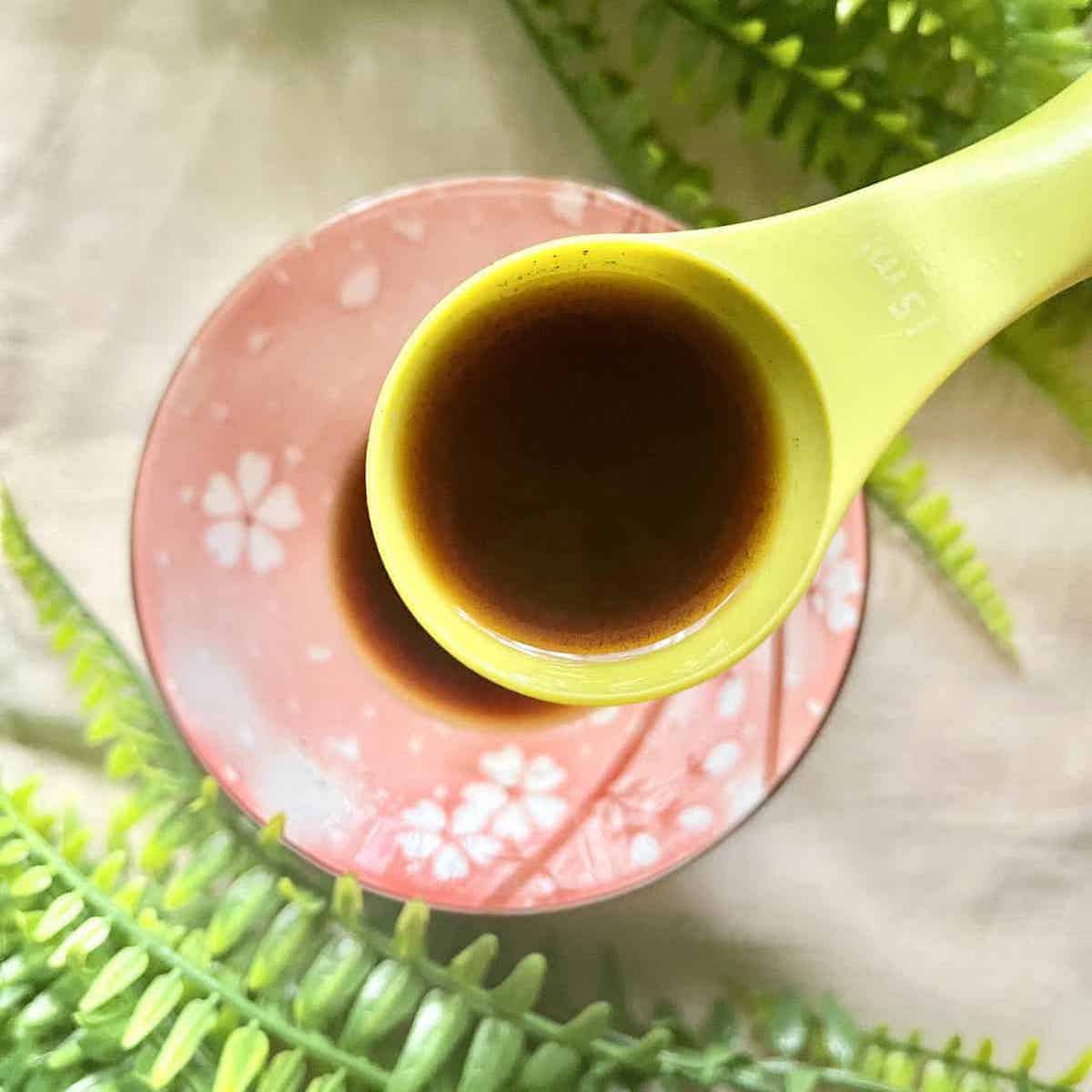
Rice vinegar, often used in Asian cuisine, is a type of vinegar made from fermented rice.
There are different varieties, from white rice vinegar and black rice vinegar to red rice vinegar. The famous Zhejiang Chinkiang Vinegar is a black vinegar made from glutinous rice- you'll have come across it in Asian dumpling sauce and Asian cucumber salad. Black vinegar has a stronger flavor, so it's more often used in dipping sauces and braised dishes.
White rice vinegar, on the other hand, has a milder and sweeter taste, and is much more common in Asian cooking. You'll have tasted it in Asian cucumber pickles, pickled green chilies, sushi rice, marinades, sauces and salad dressings.
Note: Red rice vinegar is the least common of the 3. It has a bold and tangy taste and is ideal for adding acidity to meat dishes. Lee Kum Kee sells it, if you're interested in trying!
White Vinegar
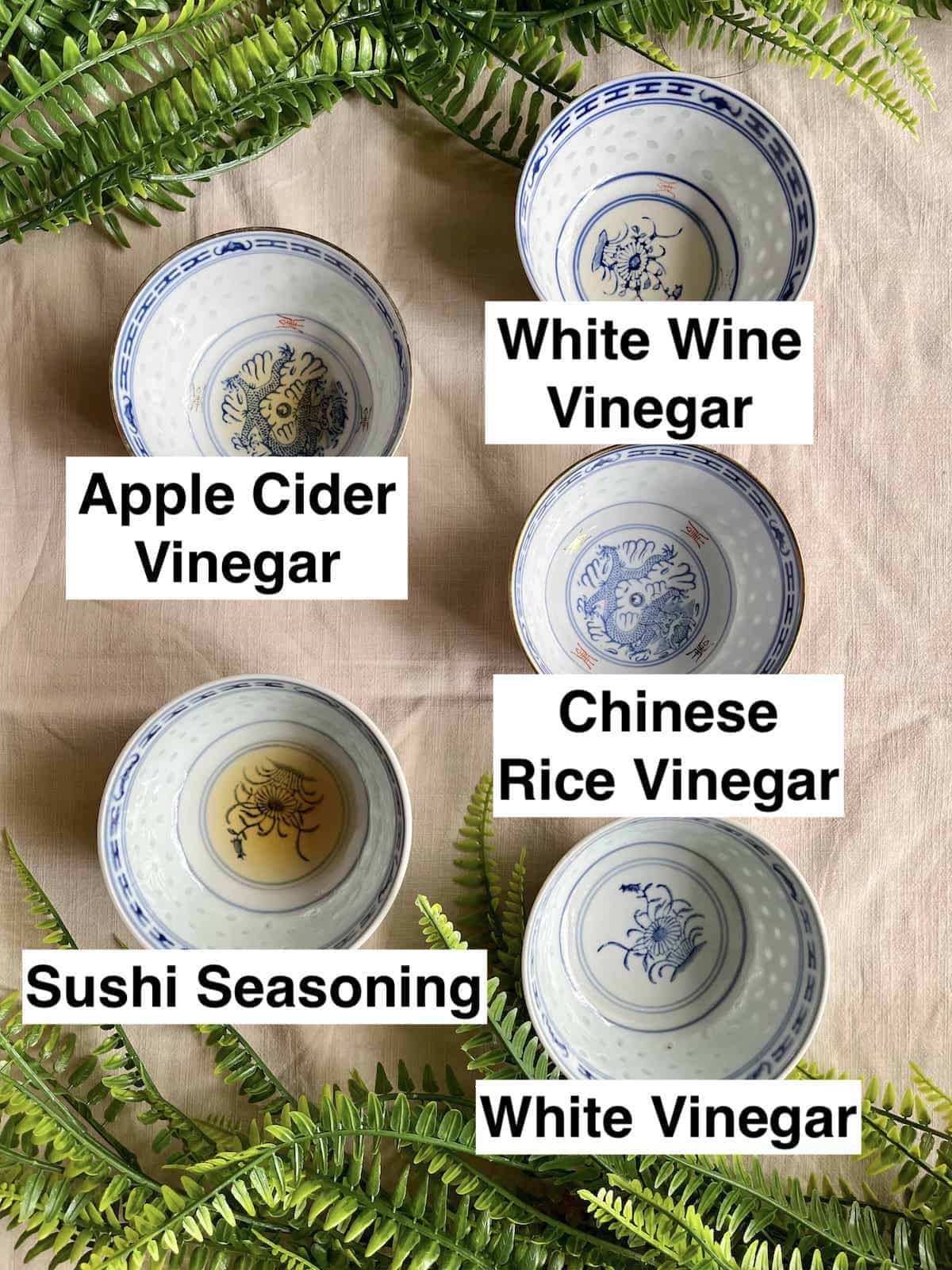
White vinegar, also known as distilled white vinegar or spirit vinegar, has a sharp, clean taste and can be used in anything from cooking and pickling to cleaning. It's also a good base for many marinades and sauces.
It has a neutral but sour taste profile that lacks the sweetness found in rice vinegar. As a result, white vinegar is often used for its tart and tangy qualities in pickling, as well as for cleaning and other non-cooking purposes.
Due to its intense flavor, it should be used sparingly when cooking as it can easily overpower other ingredients, leading to an unpleasantly sour dish.
Despite its stronger acidity, white vinegar can still be used in recipes where a more pronounced sourness is desired. However, it's usually added to sauces, dressings, and marinades rather than to actual cooked dishes.
Note: care should be taken when substituting white vinegar for rice vinegar in a recipe, as the lack of sweetness may alter the dish's balance of flavors.
As Substitutes for Each Other
While rice vinegar and white vinegar have their differences in taste and culinary applications, there are instances where one may be substituted for the other if needed.
To account for the variation in acidity, it is important to adjust the proportions accordingly. Generally, it's easier to use rice vinegar to substitute for white vinegar as rice vinegar has a milder taste: you can just add a bit more of it to boost the flavor.
However, when using white vinegar as a substitute, it is essential to remember that white vinegar's stronger taste can overpower the dish; therefore, substitutions should be made with caution to prevent altering the overall recipe dramatically.
For example, when substituting white vinegar for rice vinegar, use less white vinegar and add sugar to soften the harsher flavor. When making seasoned rice vinegar, such as when preparing sushi rice, you can create your own blend using white vinegar, sugar, and salt, though the resulting flavor may not be an exact match.
Always pay close attention to the desired flavors and acidity levels in the dish you're preparing, and adjust as necessary to achieve the best results.
Note: Both white vinegar and rice vinegar can be used as substitutes for lime juice and lemon juice and vice versa.
Other Types of Vinegar as Substitutes
Apple Cider Vinegar
Made from fermented apple juice, apple cider vinegar has a fruity and mild flavor.
It's popularly used in salad dressings, vinaigrettes, marinades and even health drinks! This is the best substitute to replace both white rice vinegar and white distilled vinegar.
Personally, I like the brand Bragg's which comes with the vinegar mother in the bottle.
Balsamic Vinegar
Originating in Italy, balsamic vinegar is made from grape must and has a sweet and tangy taste.
It is often used in sauces, salad dressings, and as a topping for grilled vegetables and fruits. Note that real balsamic vinegar costs an arm and leg, and the stuff you get in the supermarkets is usually not the real deal. If you're not sure- just check the price. Real Balsamic Vinegar is never cheap!
This is the best substitute for Chinese black rice vinegar but not rice or white vinegar!
Red Wine Vinegar
Made from fermented red wine, this vinegar has a bold, acidic flavor. It is commonly used in dressings, marinades, and for deglazing pans.
Use it to replace black vinegar but preferably not white vinegar or white rice vinegar.
White Wine Vinegar
Not to be confused with white vinegar, this is made from fermented white wine. The flavor profile is slightly milder than red wine vinegar with a slightly fruity taste and is often used in pan sauces, salad dressings, and pickling.
White vinegar production involves fermentation white wines by aerobic bacteria (genus Acetobacter) to convert the alcohol into acetic acid. (Alcohols of 10-11 ABV work best as too much alcohol inhibits the process.)
The resulting liquid is then diluted to an acidity of 5-7% and it is a decent substitute for white rice or white vinegar.
Note: Spruce Eats even has an article on how you can make your own at home!
While it may work as a substitute for rice vinegar in certain recipes, its distinct flavor might not be suitable for every dish. Likewise, white wine vinegar may not be an ideal substitute for white vinegar due to its less pungent taste.
Note: don't be confused by the "white" in its name- some brands are actually a pale yellow in color.
Champagne Vinegar
Derived from fermented champagne, this vinegar has a lighter taste and is often used in vinaigrettes, dressings, and sauces to brighten the flavors of various dishes.
Sherry Vinegar
Originating from Spain, sherry vinegar is made from sherry wine and has a robust, complex flavor. It is suitable for dressings, sauces, and reductions.
It would work better as a replacement for black vinegar than white or rice!
Malt Vinegar
Made from fermented malt, malt vinegar has a robust and tangy taste.
It is popularly used as a condiment for fish and chips, as well as in pickling and marinating. As with sherry vinegar, I would use it to substitute for black vinegar but not rice vinegar or white.
Production
Rice Vinegar
Rice vinegar production starts with fermenting rice to create rice wine. In this process, yeast converts the sugars in rice into alcohol. After that, a 2nd fermentation process takes place, during which bacteria convert the alcohol into acetic acid or rice vinegar.
Various types of rice can be used, from white rice for to brown rice, purple rice or a blend of white and brown.
Rice vinegar typically contains approximately 5% acetic acid in its composition, making it milder than some other types of vinegar.
White Vinegar
White Vinegar was traditionally derived from the most common produce of the region. This ranged from sugar beets, potatoes, molasses, milk whey to corn so there were many sub-types of white vinegar!
Today, it is more common to ferment grain alcohol (ethanol) into acetic acid then dilute it to make white vinegar. The resulting acidity is about 5-10% acetic acid.
How to Use in Cooking
Rice Vinegar
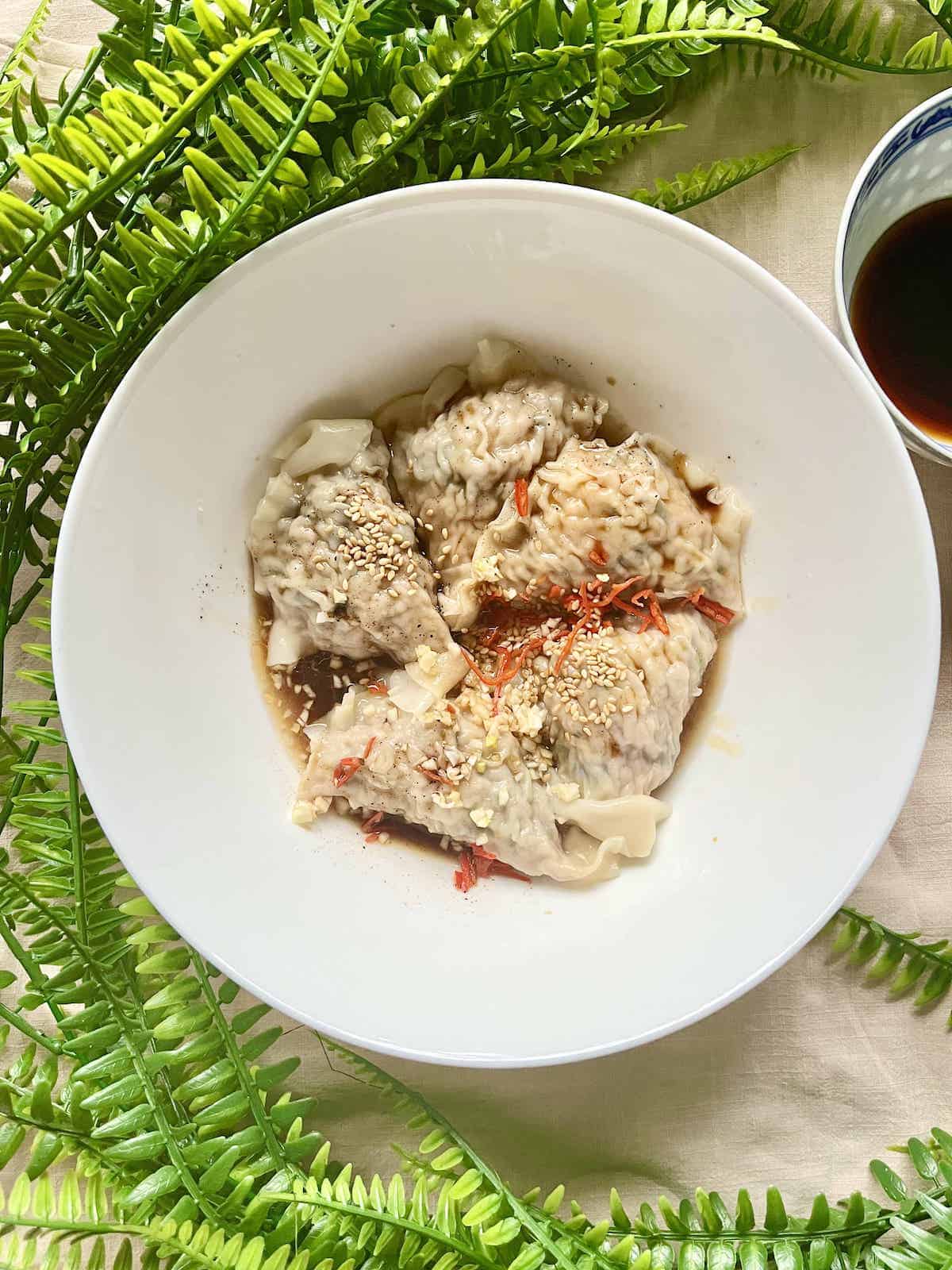
Rice vinegar, made from fermented rice, is a staple in Asian recipes, particularly Japanese and Chinese dishes.
Its mild acidity and subtle sweetness, makes it a versatile ingredient in various recipes, such as Sambal Oelek Chili Sauce and dumpling dips.
Another common use for rice vinegar is in cooking sushi rice: rice vinegar is mixed with sugar and salt to create a pale yellow, seasoned rice vinegar that gives sushi rice its characteristic flavor.
It can also be used in salad dressings, dipping sauces, and marinades for fish and chicken, adding a delicate tanginess without overpowering the dish.
In addition to sushi, rice vinegar is often incorporated into Vietnamese cuisine, accompanying various dishes as a condiment or combined with other ingredients to create refreshing salads. Its mild flavor complements vegetables and fruits, allowing them to shine in the dish while still adding that essential acidic element.
White Vinegar
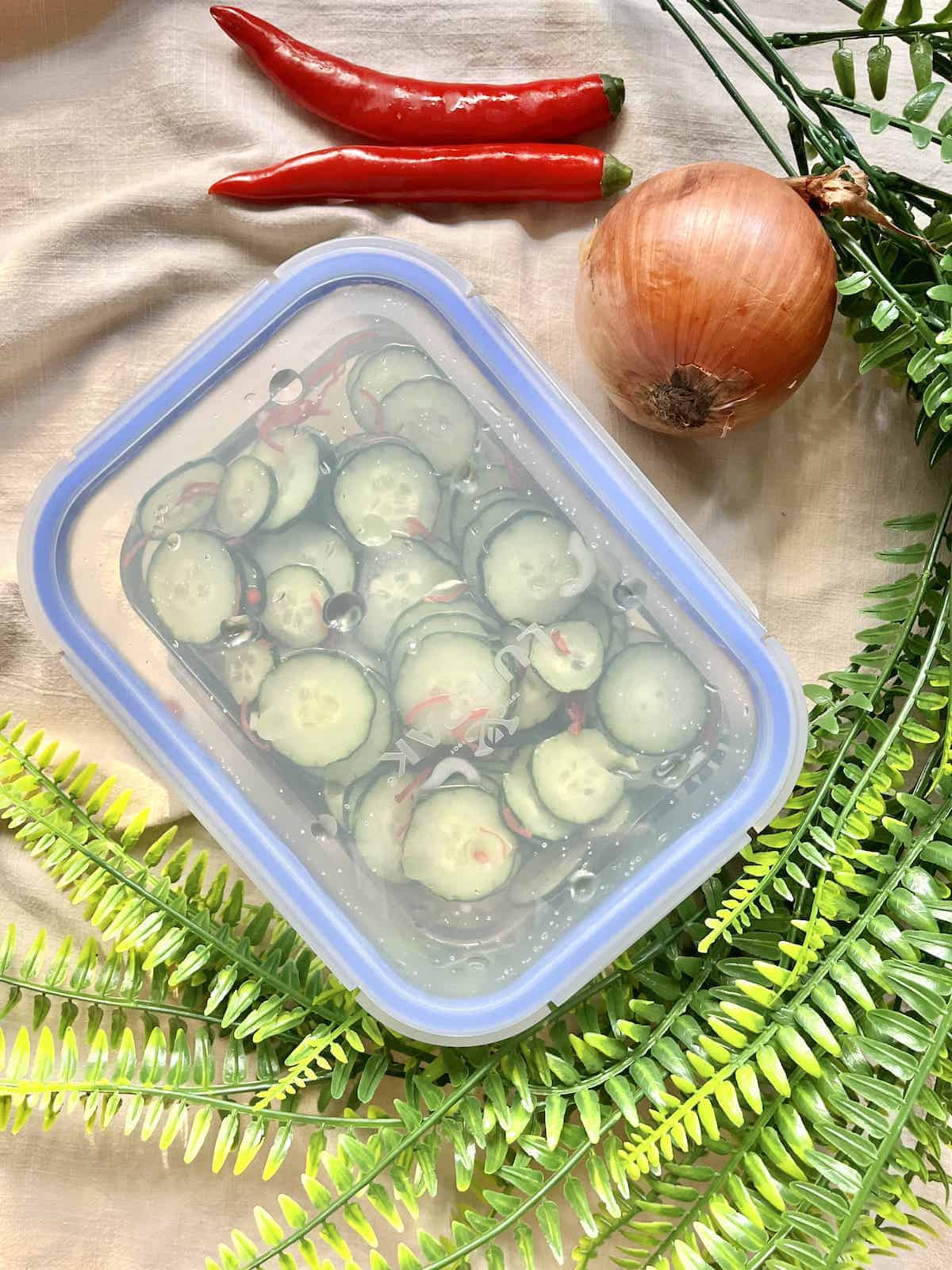
White vinegar, made from fermenting grain alcohol, has a more robust and sharp flavor due to its higher acidity.
This makes it an excellent choice for pickling vegetables and maintaining the color and crispness of the produce. White vinegar is also widely used in salad dressings when a more pronounced tanginess is desired, and it's a popular ingredient in various marinades. Its strong acidity can help tenderize meats and build bold flavor profiles in dishes, making it a go-to ingredient in many home kitchens.
In baking, white vinegar is sometimes used as a substitute for lemon juice, providing the acidity required to react with baking soda or powder and create a rise in baked goods.
Its low price point makes it a good option for cleaning and sanitizing kitchen surfaces due to its antibacterial properties.
Pickling
Pickling refers to preserving foods in an acidic solution, usually vinegar, for an extended shelf life and enhanced flavor. Many kinds of vinegar, including rice vinegar and white vinegar can be used for pickling, if they have the right levels of acidity. (Ver important: You need a sufficient level of acidity to prevent the food from going bad!)
The different is the different taste resulting from the unique flavor profiles of the vinegars.
For example, pickling onions with rice vinegar results in a milder flavor, due to its mellow acidity. On the other hand, pickling with white vinegar gives a stronger, tangier taste because of its sharper, more pronounced acidity.
Health and Nutrition
Calories and Nutrients
Rice vinegar and white vinegar have some differences in their nutritional profiles.
Rice vinegar is lower in calories, with zero calories per tablespoon compared to the few calories found in white vinegar. This makes rice vinegar an option for those who are watching their calorie intake.
Both types of vinegar are excellent sources of acetic acid, a compound with potential health benefits including improved digestion and blood sugar control.
When it comes to nutrients, rice vinegar contains trace amounts of certain minerals such as potassium.
Allergens
For those with allergies, both rice vinegar and white vinegar are considered safe options.
They are both naturally gluten-free and free from common allergens such as dairy, eggs, and nuts. However, they may be packed in facilities which are not allergen-free so always exercise caution and read the ingredient list if you are sensitive or allergic to any food additives or ingredients!
Note: both rice vinegar and white vinegar are generally MSG-free.
Other Uses
Cleaning and Deodorizing
Rice vinegar and white vinegar are not only useful in cooking but also serve as efficient cleaning agents.
White vinegar, in particular, is known for its ability to clean and deodorize. It can be used to clean a variety of surfaces, from countertops to appliances, thanks to its acidic properties.
For example, white vinegar can be used to clean the interior of a refrigerator by mixing it with water at a 1:1 ratio. This solution effectively removes stains, neutralizes odors, and kills bacteria. I use it for my windows actually!
Be warned that your entire house will smell a bit sour right after cleaning but the odour will soon go away. (Some people like to add orange peels to the vinegar solution to improve the smell.)
Alternatively, some people like to use white vinegar to clean a microwave with stubborn stains or unpleasant smells. However, do note that heating liquids in a microwave can lead to the water being superheated and EXPLODING so I personally don't recommend doing so.
If you really must, here is what to do:
Simply mix 2 Tablespoons with 2 Cups of water in a microwave-safe bowl. Heat the solution in the microwave on high for 5 minutes till the solution comes to boil. Leave the microwave door closed for a few minutes so the steam can do its work of loosening up the stains and eliminate odors.
Carefully remove the very hot solution from the microwave, then use a sponge to clean the microwave.
Note: distilled vinegar is also helpful for avoiding cloudy glassware. If you add a small amount of distilled vinegar to your dishwasher's rinse cycle, your glassware will come out sparkling clean and free of residue.
Frequently Asked Questions
Yes, rice vinegar and white vinegar are used in the cooking of different regions. Rice vinegar is commonly used in Asian cuisines, such as Chinese, Japanese, and Korean dishes, as rice is a huge part of the Asian diet. White vinegar, being more versatile and widely available, is used in various cuisines, including American, European, and Latin American recipes.
Rice vinegar typically has a lower acidity level compared to white vinegar. White vinegar is more acidic, with an average acidity of 4-7%. Rice vinegar, on the other hand, usually has an acidity level of about 4-5%. This difference in acidity affects their taste and cleaning abilities, with white vinegar being more potent. If you're into pickling, the acidity level of the vinegar you use is very important for food safety so do check the labels!
Yes, both rice vinegar and white vinegar can be used for cleaning purposes. White vinegar, in particular, is a popular choice for household cleaning due to its high acidity and disinfectant properties. Rice vinegar can also be used, but its milder acidity might make it less effective in some cases.
Rice vinegar lasts for a very long time, stored in a cool dark place but like everything, it can go bad. Check for color, flavor and smell changes.
Comments
No Comments