
Noodles vs Pasta: The similarities and differences in the ingredients, origin, shapes, sizes and presention as well as an overview of the most popular types, how to cook and recipes!
Jump to:
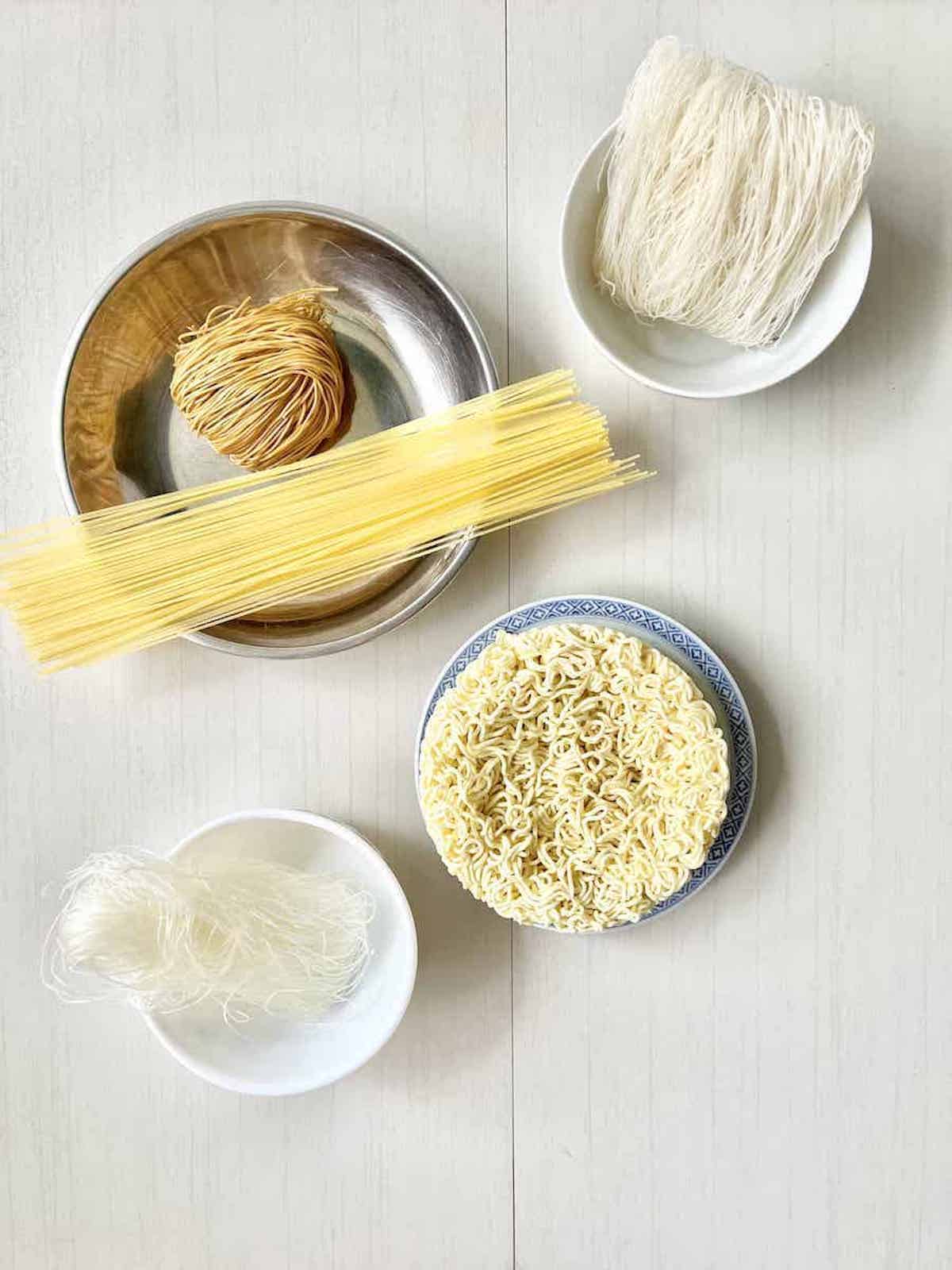
Noodles and pasta are types of food made from unleavened dough consisting of some type of flour, water, and salt. Sometimes other ingredients such as eggs are added. Both noodles and pasta are available in fresh and dried forms.
Pasta and noodles- in particular egg noodles and spaghetti or linguine- are often used as substitutes, such as in this teriyaki noodles recipe. However, noodles and pasta differ in their ingredients, shapes, sizes, and origin.
Note: if you're on a low-carb diet, both noodles and pasta are inappropriate for your diet. You can subsitute with Zucchini noodles or Zoodles instead.
Ingredients
The ingredients used to make noodles and pasta differ significantly.
Noodles are often made with a combination of flour and water, and sometimes include eggs, potato or buckwheat starch. They are usually made with rice flour (e.g. Thai Drunken Noodles), wheat flour, mung beans (e.g. Thai Seafood Salad), or potato starch. Sometimes whole grains such as brown rice are used too, but these usually cost more so are less commonly used.
In contrast, pasta is made with durum wheat, semolina flour or milled flour, and often includes eggs. The use of eggs in pasta dough gives it a richer flavor and a more yellow color. (Gnocchi is sometimes called a pasta but, unlike typical pasta, it's made from potatoes so technically should be classified as a dumpling instead.)
Note: you do get egg noodles in Asian cuisine too but it is less common than white noodles. Such is the importance of eggs to pasta that when I was taking a cooking course in Bologna, the instructor told me his friend resigned as a pasta chef because the eggs were not of the right quality!
Shapes and Sizes
Noodles and pasta come in various shapes and sizes.
Noodles are often long and thin, such as soba noodles, linguine, glass noodles and rice vermicelli. There are also fatter noodles such as udon and short noodles such as Bi Tai Bak, but they're less readily found. I have yet to see Bi Tai Bak in a mainstream supermarket outside of Asia, for example!
Traditional pasta, on the other hand, comes in a wide range of shapes, including tubes, sheets, and spirals. You'll find all these varieties in the pasta aisle of any regular supermarket.Some popular types of pasta include spaghetti, macaroni, and ziti.
Note: there is also a Chinese dish called "Mian Fen Guo" which is basically torn pieces of dough, similar to some pasta, which you can find at Chinese noodle stores.
Origin
Noodles and pasta have different origins.
Noodles are commonly associated with Chinese cuisine, and are though to have originated in China, where they have been a staple food for thousands of years.
Pasta is often associated with Italian cuisine as it is an Italian invention that dates back to the 12th century. Some people believe that pasta was brought to Italy via Marco Polo, but there is no proof of that.
Note: That's not to say the 2 countries have the monopoly on these ingredients, as you also find noodles in other cuisines such as Singaporean Malay food (e.g. Mee Siam.) Likewise, although pasta is often associated with Italian cuisine, pasta is found in Germany and Hungary (in the form of spaetzle) or orzo in Greece and pierogi in Poland. There's even Chinese macaroni soup!
Presentation
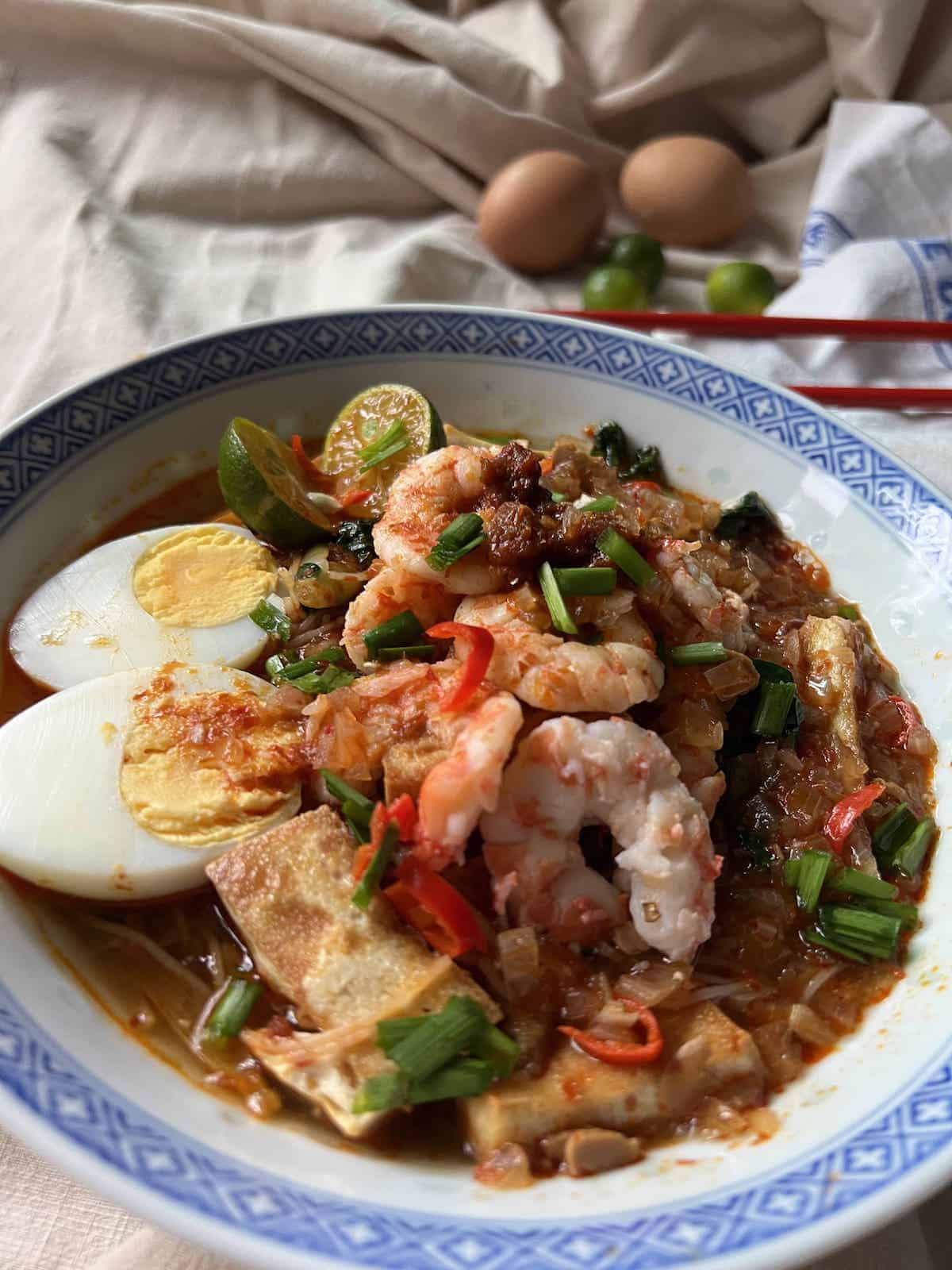
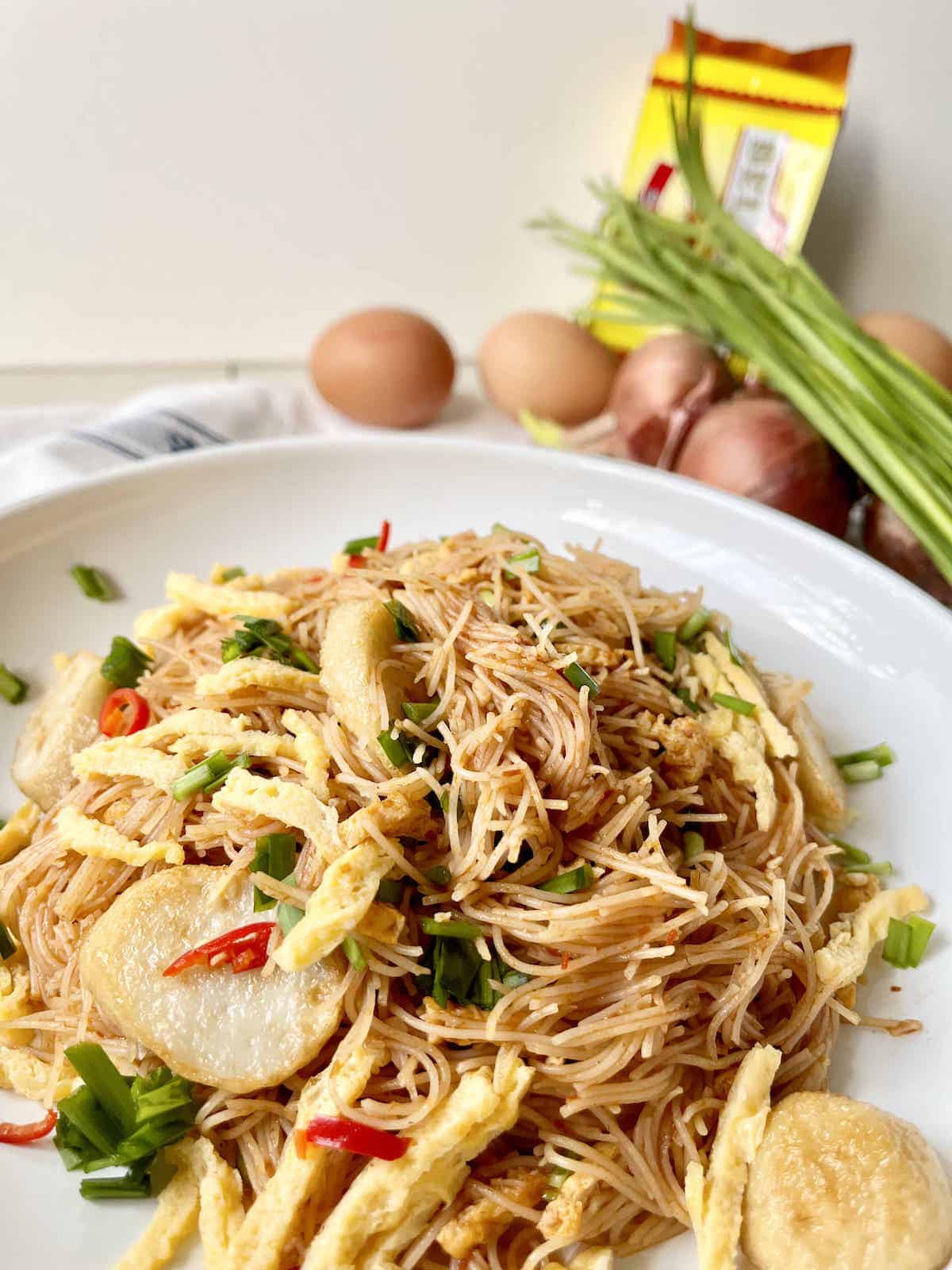
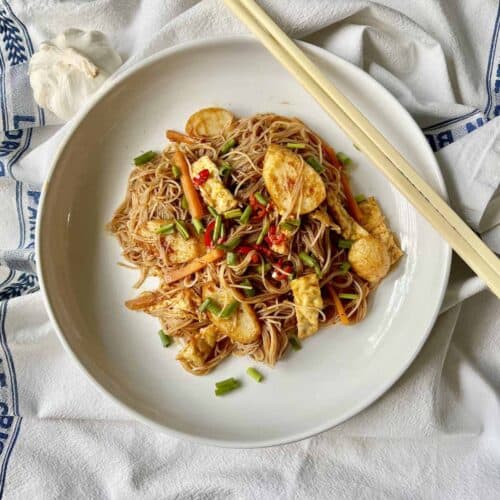
Asian noodles is served in soup as often as it is served stir-fried. We even have soup and dry versions of the same dish, as shown above!
Whilst you do get pasta soup (e.g. tortellini in Bologna), it is less common.
Types of Noodles
When it comes to Asian noodles, there are many different types to choose from, each with its own unique flavor, texture, and cooking method.
Chinese
Chinese noodles are a staple in Chinese cuisine and come in many different shapes and sizes. Some of the most popular types of Chinese noodles include:
- Egg Noodles: These noodles are made with wheat flour and eggs and are commonly used in soups and stir-fry dishes. Unlike rice noodles, they are yellow in color. You see them in dishes like wonton mee. Like pasta, different types of noodles suit different recipes. Sauces that go with egg noodles won't necessarily taste good with rice noodles.
- Mung Bean Noodles: These noodles are made from mung bean starch and are transparent and rough in texture when dry. When cooked, they are slippery. They are commonly used in cold salads and soups. I also love to add them to stir-fries as they absorb the sauce wonderfully.
- More examples under "Rice Noodles" below.
Note: Lo Mein and Chow Mein are not types of noodles but rather different ways of cooking noodles that involve different types of noodles. Lo Mein is made with fresh noodles and Chow Mein with dried.
Japanese
Japanese noodles are a staple in Japanese cuisine and come in many different shapes and sizes. Some of the most popular types of Japanese noodles include:
- Ramen noodles: These noodles are made from wheat flour and are commonly served in a savory broth with meat, vegetables, and other toppings.
- Udon: These noodles are made from wheat flour and have a very thick, chewy texture and They are commonly served in soups and stir-fry dishes.
- Soba: These noodles are made from buckwheat flour and have a nutty flavor. They are commonly served cold with dipping sauce or in hot soups. The perfect dish for summer!
- Shirataki noodles: Made from water and Konjac, these are considered a good option for those on a diet as they're mainly dietary fibre and keep you feeling full. Do note that konjac can be a choking hazard so chew carefulyl!
Rice Noodles
Rice noodles are a staple in Asian cuisine, from Thai to Chinese, and are made from rice flour.
They come in many different shapes and sizes and are commonly used in stir-fry dishes, soups, and salads. Some popular types of rice noodles include:
- Pad Thai Noodles: These noodles are flat and wide and obviously used in the Thai dish Pad Thai.
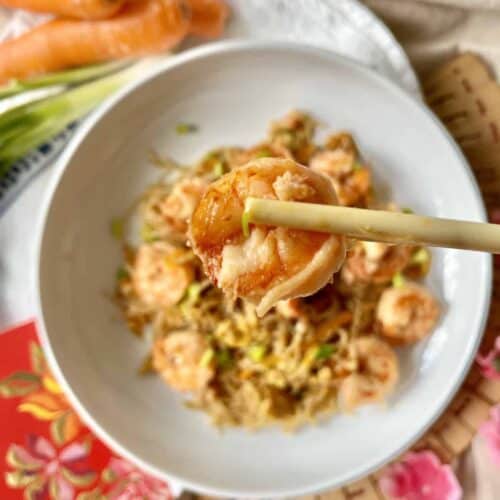
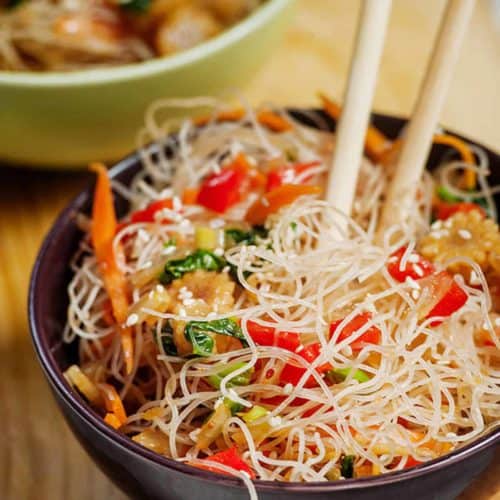
- Rice Vermicelli Noodles: These noodles are translucent and thin. You see them used in Singapore Economic Noodles and Shrimp Chow Mein. If you don't have any on hand, here are some of the best rice vermicelli substitutes!
- Rice Stick Noodles: These noodles are thick and round and are often used in stir-fry dishes.
Overall, there are many different types of noodles to choose from, each with its own unique flavor and texture. Whether you prefer Chinese, Japanese, or rice noodles, there is sure to be a type of noodle that will suit the dish you want to cook!
Types of Pasta
When it comes to pasta, there are endless varieties to choose from, such as:
- long and thin strips of pasta
- short and small pasta
- tubes and shaped pasta
Each type of pasta has its own unique shape, texture, and flavor, making it perfect for different dishes. The pairing of the right sauce with the right pasta really helps to elevate the taste of the dish!
Note: in addition, there is the fresh pasta and dried pasta.
Long and Thin

Long and thin pasta includes spaghetti, fettuccine, and linguine. The closest pasta to Asian noodles is angel hair pasta, a very thin pasta that is my favorite!
These types of pasta noodles are perfect for dishes with light sauces, such as olive oil and garlic or tomato sauce. For example, spaghetti is a classic choice for spaghetti and meatballs.
There are exceptions: for instance, fettuccine is often used in Alfredo sauce as the flat noodles are sturdy enough to mop up all that heavy, creamy sauce.
Short and Small
Short and small pasta includes penne, rigatoni, and macaroni.
These types of pasta are perfect for dishes with thicker sauces, such as cream sauces or cheese-based sauces. They are also great for cold pasta salad.
In addition, penne and rigatoni are often used in pasta bakes or casseroles, while macaroni is a classic choice for mac and cheese.
Tubes and Shaped

Tubes and shaped pasta include ziti, farfalle, and lasagna.
These types of pasta are perfect for dishes with chunky sauces, such as ragu or meat sauce. Ziti and farfalle are often used in pasta salads, while lasagna is a classic choice for lasagna dishes. Gnocchi and ravioli are also considered shaped pasta, and are often filled with cheese or meat.
In addition to the shape of the pasta, the ingredients used can also affect the texture and flavor. Some pasta is made with egg solids, which gives it a richer flavor and a softer texture. Cheese can also be added to the pasta dough, giving it a unique flavor.
Overall, the type of pasta or noodles you choose will depend on the dish you are making and your personal preferences/ food intolerances. With so many varieties to choose from, there is a pasta for every taste and occasion.
Nutritional Value
When it comes to nutritional value, noodles and pasta are quite similar. Both are made from wheat flour, water, and sometimes eggs. However, there are some key differences in the nutritional content of these 2 types of food.
Calories and Carbohydrates
1 of the main differences between noodles and pasta is in their calorie and carbohydrate content.
Both are high in carbohydrates, but pasta tends to be slightly higher in calories. 100 grams of regular pasta provides approximately 370 calories, while the same amount of egg noodles contains closer to 385 calories, according to Livestrong.
Protein and Fiber
In terms of protein and fiber, pasta is generally the winner.
Pasta contains more protein and fiber than noodles, making it a more filling and satisfying option. Whole-grain pasta is an even better choice, as it contains more fiber and nutrients than regular pasta, according to Healthline.
Fat and Starch
Both noodles and pasta are relatively low in fat, with pasta having a little bit more fat, but they do differ in their starch content.
Noodles are typically made from rice or other grains, which means they are higher in starch than pasta. Pasta, on the other hand, is made from wheat flour, which makes it lower in starch and higher in protein.
Calcium and Iron
When it comes to micronutrients, pasta is the clear winner.
It contains more vitamins, calcium and iron than noodles, making it a better choice for those looking to boost their bone health and prevent anemia. However, it's worth noting that both noodles and pasta are relatively low in nutrients, so they should not be relied upon as a major source of calcium or iron!
Overall, while there are some minute differences in the nutritional content of noodles and pasta, they are both high in carbohydrates and relatively low in fat. Choosing whole-grain pasta or noodles and incorporating plenty of vegetables and lean protein can help make these dishes a more nutritious part of your diet.
How to Cook
When it comes to cooking noodles and pasta, there are a few basic steps that one should follow to ensure that they come out perfectly cooked. Here are some tips to help you cook the perfect noodles and al dente pasta:
Boiling Water
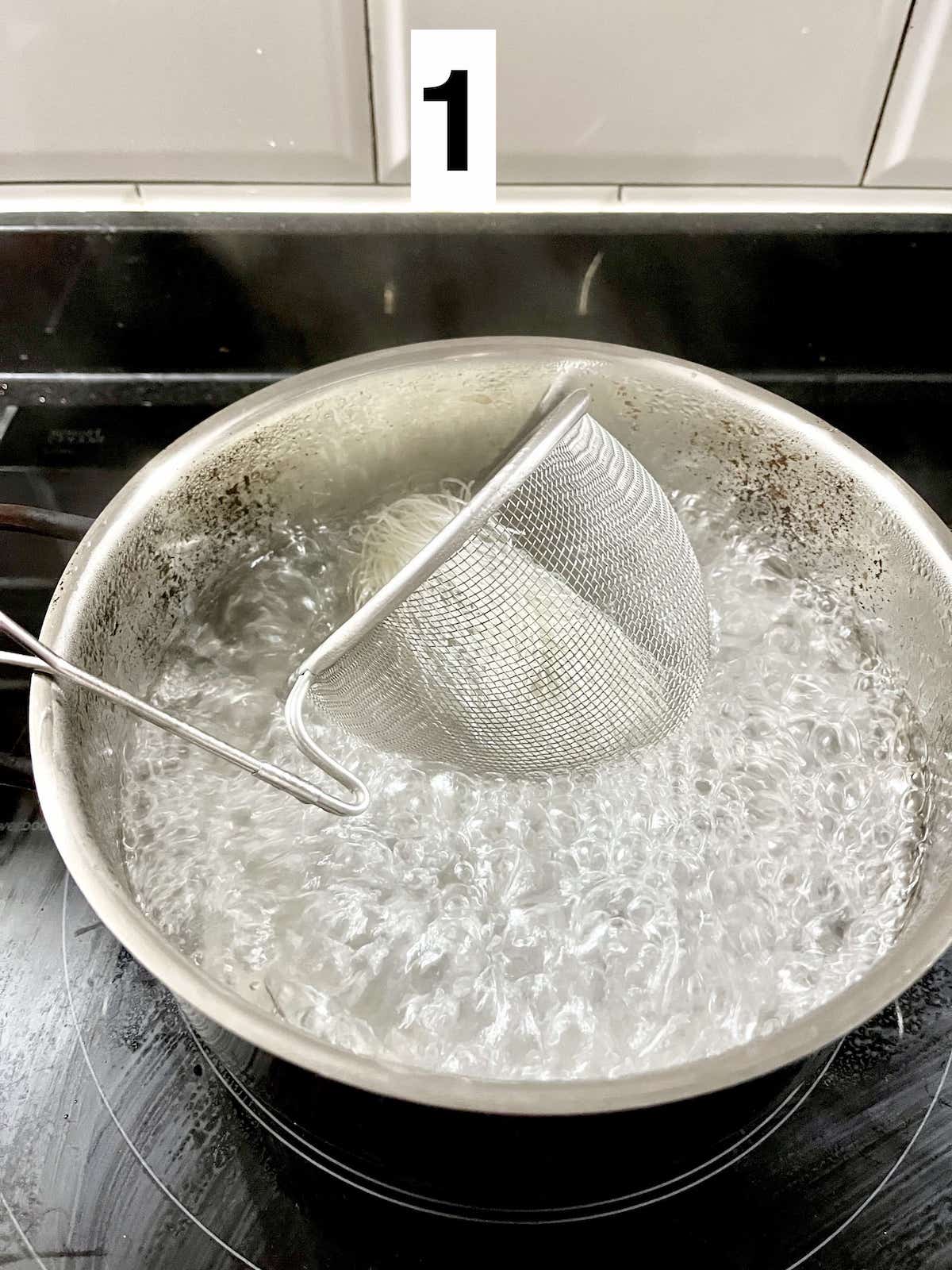
The first step in cooking noodles and pasta is to bring a large pot of water to a boil. The pot should be large enough to hold the noodles or pasta without crowding them. It's important to use a lot of water, as this will help prevent the noodles or pasta from sticking together.
Note: an exception is rice noodles and mung bean glass noodles which can both be rehydrated by soaking. (You would still cook the rice noodles after though!)
Adding Salt
Salting the water till it is as salty as the sea is crucial for cooking different kinds of pasta. However, it is not necessary for Asian noodles which are made from salted dough.
Once the water is boiling, add a generous amount of salt. This will help flavor the pasta. A good rule of thumb is to use about 1 tablespoon of salt for every 4-6 quarts of water for pasta.
Cooking Time
Next, add the noodles or pasta to the boiling water.
The cooking time will vary depending on the type of noodles or pasta you are using. Generally, the thicker the noodles, the longer they will take to cook.
It's important to follow the package instructions for cooking time, but also to taste the noodles or pasta periodically to ensure they are cooked to your liking. Overcooking can result in mushy noodles or pasta, while undercooking can result in tough and chewy noodles or pasta.
Draining and Rinsing
Once the noodles or pasta are cooked to your liking, it's time to drain them. Use a colander or strainer to drain the noodles or pasta, and then rinse them under cold water. This will stop the cooking process and help remove any excess starch or salt.
Recipes
Noodle Dishes
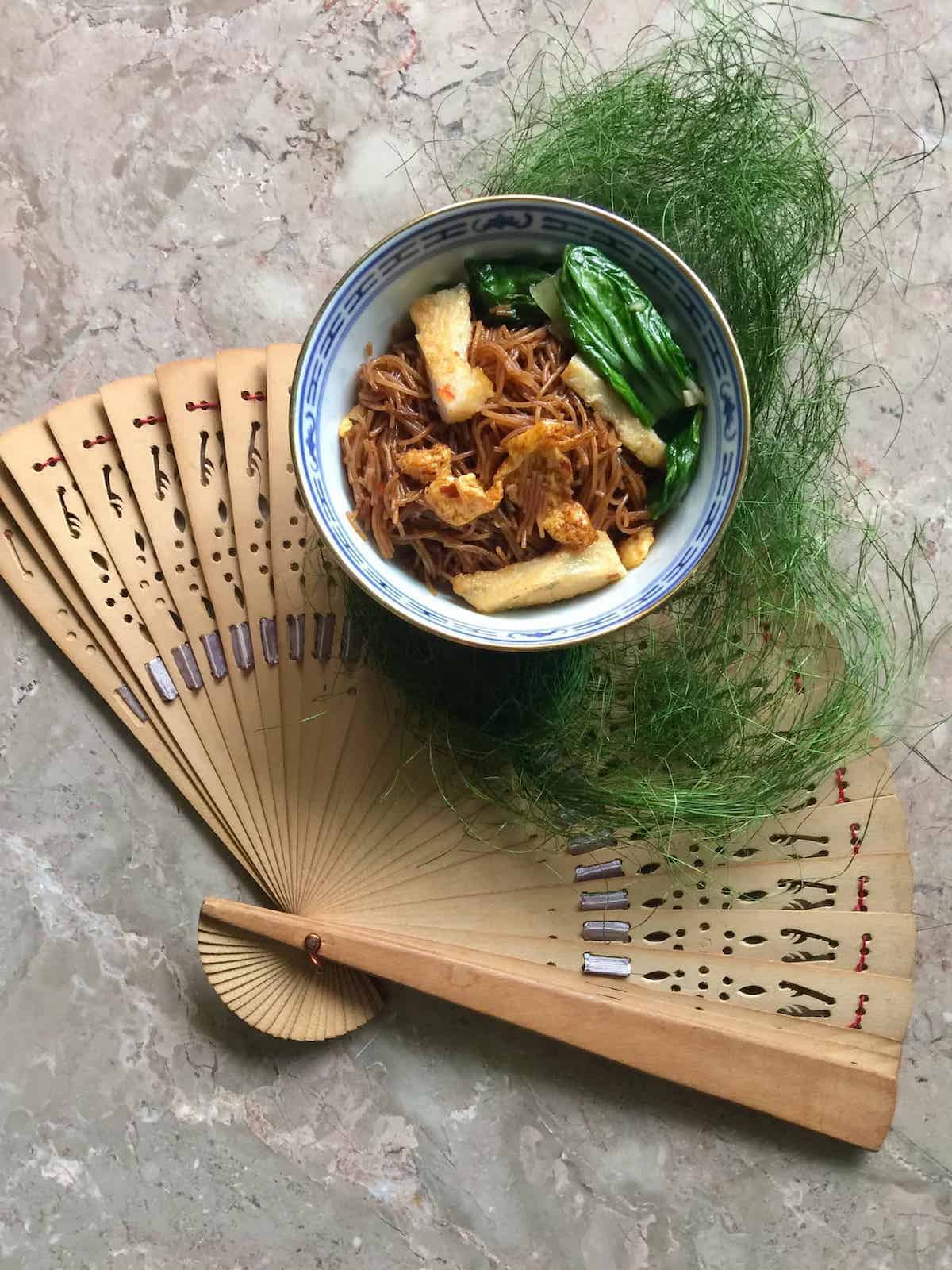
Noodles are a versatile ingredient that can be used in a variety of dishes. They can be stir-fried, boiled, or even baked. Here are a few popular noodle dishes:
- Pad Thai - a stir-fried noodle dish from Thailand which typically includes rice noodles, shrimp, tofu, bean sprouts, in a sweet and savory sauce made from tamarind paste, fish sauce, and palm sugar.
- Ramen - this Japanese dish consists of wheat noodles served in a thick and savory broth, usually made from meat. It is typically topped with sliced pork, green onions, and a boiled onsen egg. Soy braised eggs go very well with ramen!
- Lo Mein - a Chinese dish made with fresh wheat noodles, vegetables, and meat. It is typically stir-fried with soy sauce, garlic, and ginger.
Pasta Dishes
Pasta is a staple ingredient in Italian cuisine and is enjoyed all over the world. It can be served with a variety of sauces and toppings. Here are a few popular pasta dishes:
- Spaghetti Bolognese - a classic Italian dish made with spaghetti and a meat-based sauce made from ground beef, tomatoes, onions, and garlic.
- Fettuccine Alfredo - a creamy pasta dish made with fettuccine noodles, butter, cream, and Parmesan cheese.
- Lasagna - a layered pasta dish made with lasagna noodles, tomato sauce, ground beef, and ricotta cheese.
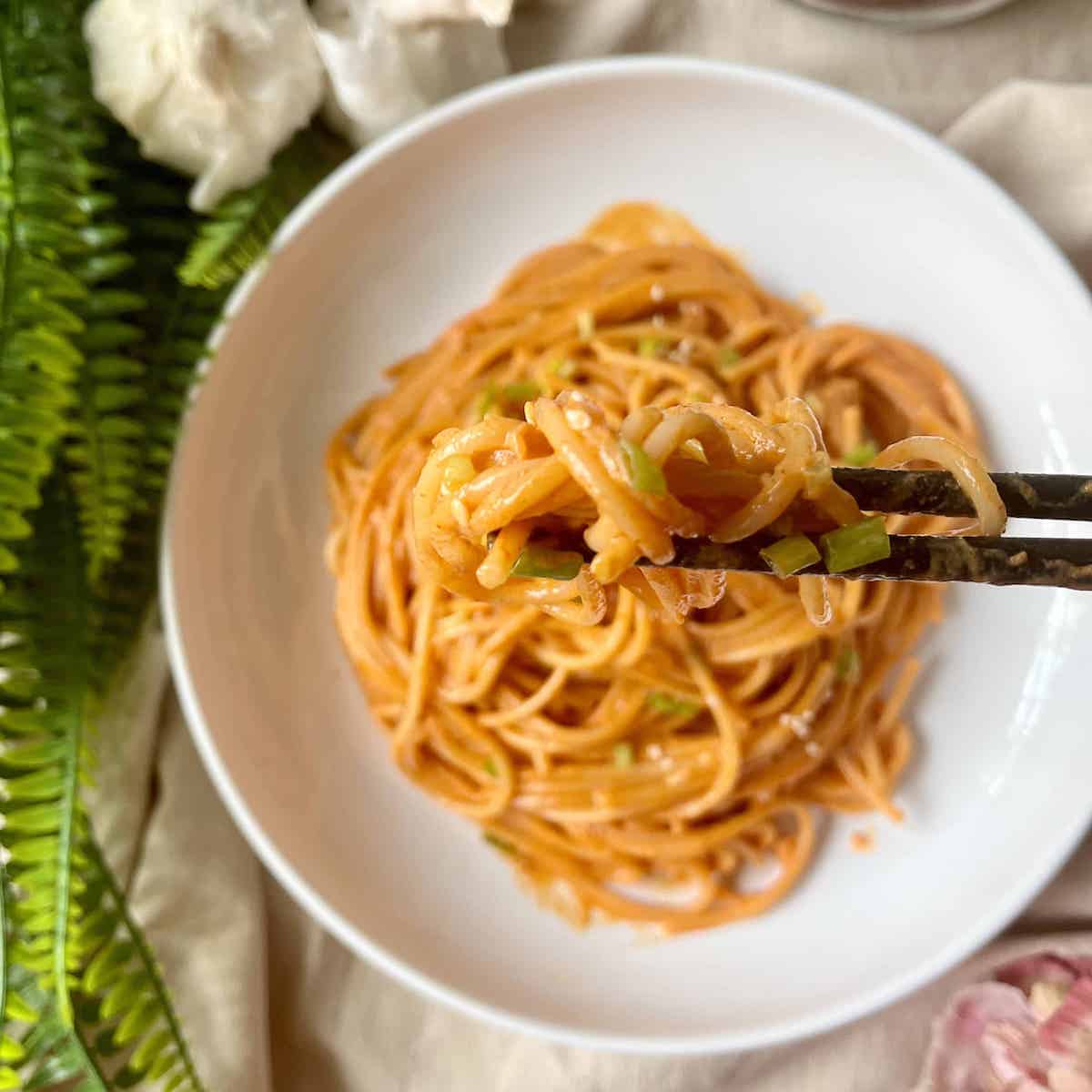
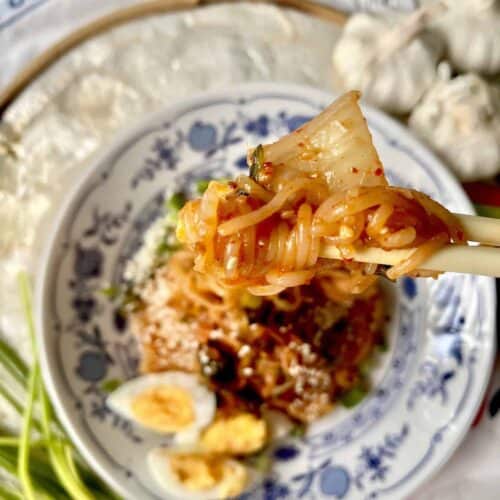
There are also popular Asian fusion pasta recipes, such as Gochujang Carbonara.
Both noodle and pasta dishes can be made with a variety of meats, vegetables, and sauces. They can also be served as salads, stuffing, and more. The possibilities are endless so experiment and enjoy!
Frequently Asked Questions
The word "noodle" comes from the German word "nudel," which means a long, thin strip of dough- exactly what the typical noodle looks like! The word "pasta", on the other hand, comes from the Italian word "paste," which means a mixture of flour and water.
Noodles can be made from a variety of grains, including wheat, rice, and beans. However, pasta is typically made from durum wheat or semolina flour.
Egg noodles are a type of noodle made with wheat flour and eggs. While they are not technically pasta, they are often used in similar dishes and can be a good substitute for pasta in recipes.
The nutritional content of noodles and pasta can vary depending on the type and preparation method. Generally speaking, whole grain versions of both are healthier choices than their refined counterparts. However, noodles can be a good source of protein and other nutrients, while pasta is typically higher in carbohydrates. (More information in the "Nutrition" section of the post.) Your choice will ultimately depend on the specific type and preparation method of each.

Dorene chew says
Very detailed and useful info
Zen says
Thanks Dorene! What's your fave noodle or pasta?